You spent the time, did the work, and the paint still came apart on you. Whether it's a bathroom ceiling lifting in sheets, trim that's bubbling after one season, or siding that didn't survive its first Canadian winter, there's nothing more frustrating than watching a paint job fail.
Here's the thing: paint doesn't just peel on its own. It's always reacting to something. And the only way to fix it for good is to figure out what that something actually is.
Let's walk through the most common causes and exactly what to do about each one
PEELING IS A SYMPTOM, NOT THE PROBLEM
Before you reach for the scraper, it helps to understand what "peeling" is really telling you. In most cases, paint fails for one of three reasons: moisture it can't escape, a surface it never properly bonded to, or a paint film that got too brittle to flex with the substrate beneath it.
Fix the symptom without fixing the cause, and you'll be back here next spring doing it all over again.
Here are the five root causes that account for the vast majority of peeling paint in Canadian homes.
MOISTURE (THE MOST COMMON CAUSE BY FAR)
In Canada, moisture is the number one reason paint lets go. It shows up in two ways:
Outside in: Rain, ice, and snowmelt work through exterior walls, failed caulking, or leaky rooflines and get trapped behind the paint film.
Inside out: Humid air from kitchens, bathrooms, and laundry rooms pushes through walls and hits a paint film that has nowhere to go.
Exterior peeling near windows, soffits, or along siding seams usually points to water infiltration. Interior peeling in bathrooms or along exterior-facing walls often means moisture is migrating from inside the building.
The freeze-thaw cycle makes everything worse. Water trapped behind a paint film expands when it freezes. That pressure will eventually win. What looks like a spring paint problem usually started accumulating the previous fall.
Oil-based and alkyd paints are especially vulnerable. Because they form a less permeable film than water-based acrylics, moisture that gets in behind them has nowhere to go except up, taking the paint with it as blisters that eventually peel.
The fix:
Deal with the source first. Repair caulking, clear gutters, check flashings, and add exhaust fans or a dehumidifier to high-moisture spaces like bathrooms and basements.
Once moisture is addressed, scrape off all loose and blistered paint. Sand edges smooth and prime any bare areas.
Repaint with a top-quality acrylic latex. Acrylic latex breathes better than oil-based coatings, allowing water vapour to escape without compromising the film.
INADEQUATE SURFACE PREPARATION
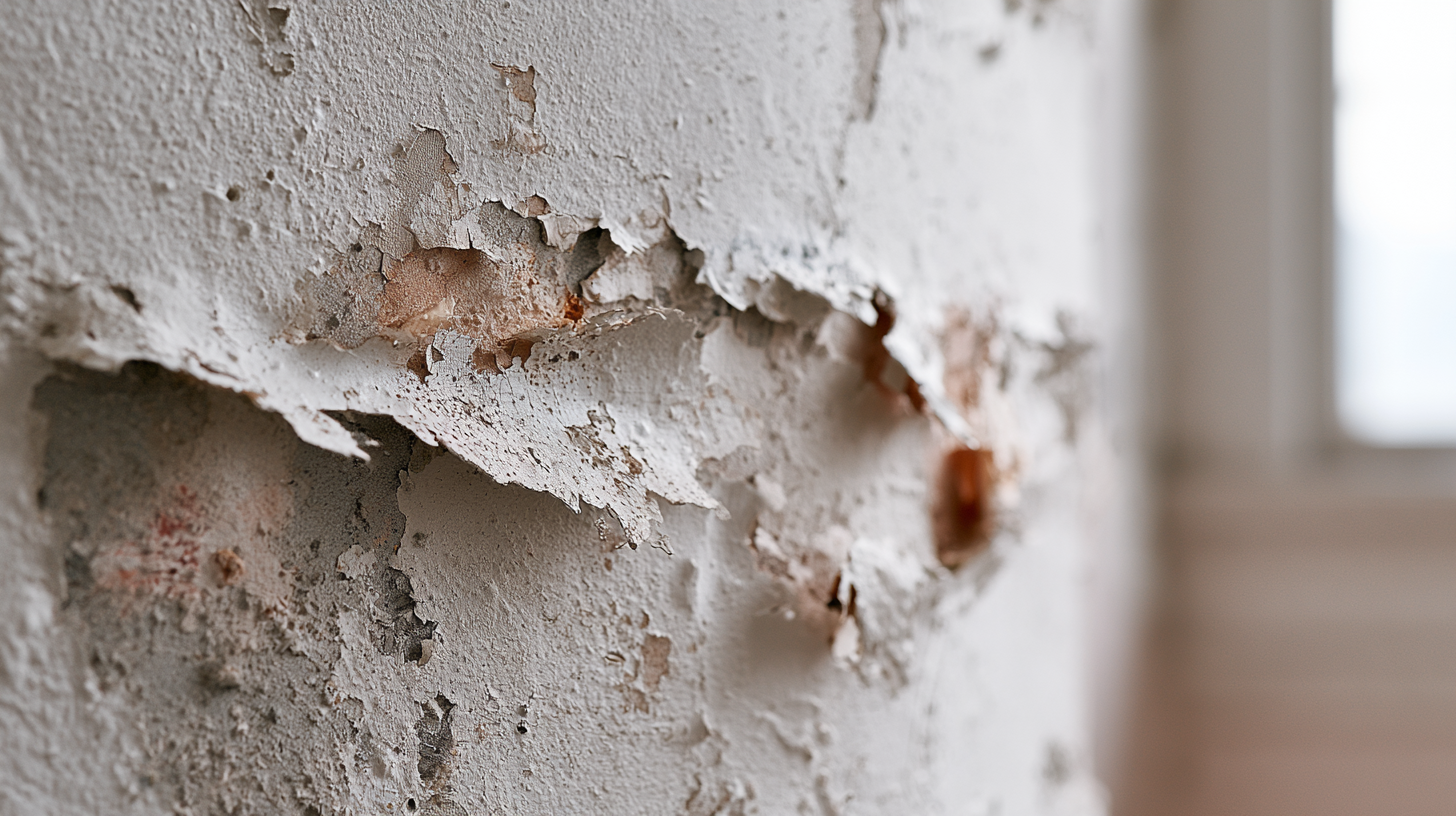
Poor prep is the second most common cause, and the one most people rush past. Paint needs a clean, sound, slightly abraded surface to grip. Anything between the paint and the substrate - grease, soap residue, dust, or chalky old paint - will compromise that bond from day one. You may not see it for months, but the failure is already written in.
This comes up a lot in kitchens, where cooking oils leave an invisible film on walls, and in bathrooms, where cleaning products leave a waxy residue. Painting over a glossy surface without scuff-sanding is another common offender. The new coat has nothing to grab onto.
The fix:
Clean surfaces thoroughly. Degrease kitchens; clean and dry bathrooms fully before painting.
Scuff-sand any glossy surfaces to give the new coat mechanical grip.
If the existing paint is flaking in multiple layers down to bare substrate, use a filler to level the surface, feather the edges smooth, and prime before recoating.
MISSING OR WRONG PRIMER
Skipping primer is one of the most reliable ways to create a future peeling problem. A good primer seals porous surfaces so the topcoat doesn't sink in unevenly, improves adhesion on tricky substrates, and gives your topcoat something consistent to hold onto. Without it on bare wood, bare drywall, or a repaired patch, you're setting yourself up for failure.
The right primer matters just as much as using one at all. High-humidity spaces like bathrooms need primers designed for those conditions. Bare wood on exterior trim needs a primer that can penetrate and seal the grain. Going back over a stain or a severe colour change without proper primer coverage puts your topcoat at risk from the start.
The fix:
Always prime bare or repaired areas before repainting, no exceptions.
Match the primer to the conditions. High-moisture rooms, tricky surfaces, and bare wood all have specific needs.
Browse Cloverdale's Primers & Sealers range, or ask a store associate which product is right for your surface.
LOWER-QUALITY PAINT
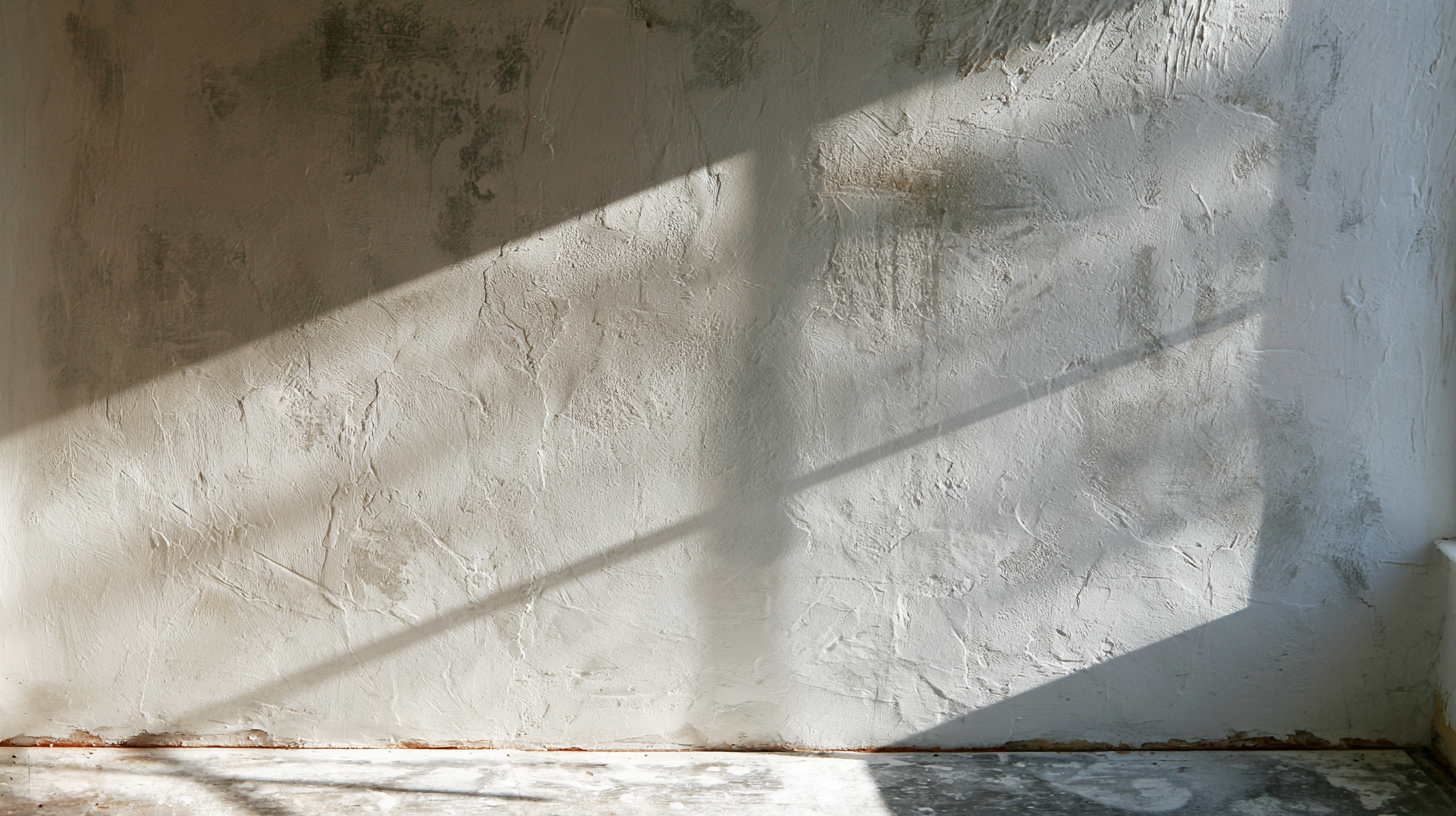
Not all paints behave the same way over time. Lower-quality formulations typically contain less binder, which is the ingredient that holds the pigment together and bonds the film to the surface. Less binder means less flexibility, and less ability to expand and contract with the seasonal movement Canadian homes go through every single year.
Older alkyd-based paints also tend to harden and become brittle as they age. What started as a flexible film eventually cracks, first as fine hairlines, then as flakes, and eventually as the full-scale failure where paint lifts off in sheets.
The fix:
When repainting, choose a top-quality acrylic latex. The acrylic binder stays flexible through temperature cycling, resists moisture, and delivers significantly better adhesion than standard grades or old alkyd formulations.
The quality of what you put on at the start determines how much prep work you'll be doing a few years from now.
PAINTING IN THE WRONG CONDITIONS
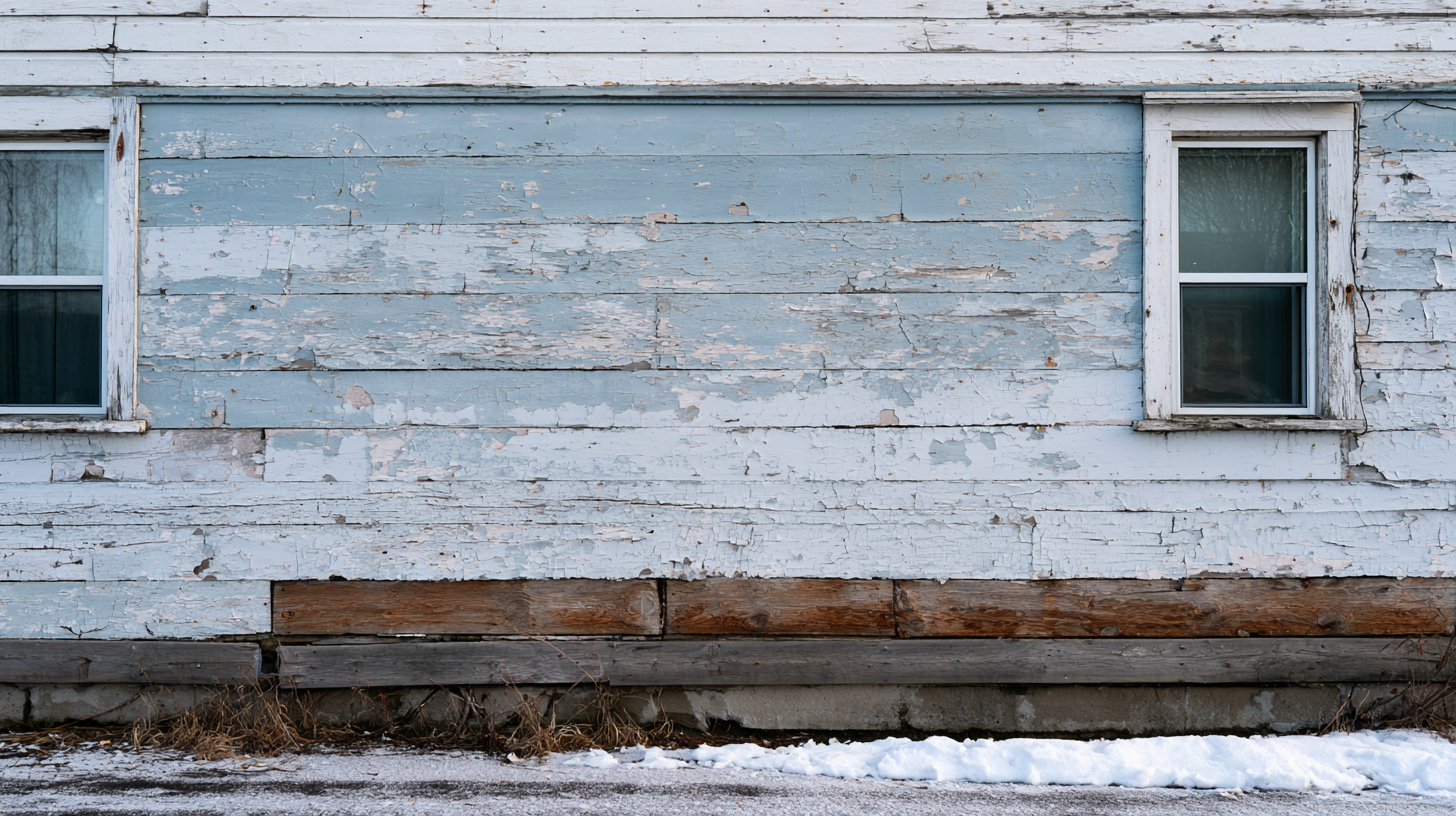
Applying paint in temperatures that are too cold, over a surface that's damp, or in direct afternoon sun are all shortcuts to adhesion failure. In Canada, this most often happens in shoulder-season painting. An October afternoon can feel perfectly fine for a coat, but if temperatures drop overnight before the paint has cured, you have a problem.
Latex paint applied below roughly 10°C (50°F) doesn't form a film properly. It looks normal at first, but performs poorly and often peels within a season.
Painting over a wet or damp surface, especially with oil-based paints, leads directly to blistering and peeling. Moisture trapped under the film will push its way out through the softest point it can find.
The fix:
Check both the air temperature and the surface temperature before you start, and look at the overnight forecast too.
Never apply paint to a wet or damp surface. Follow the product's stated application temperature range, and allow proper dry time between coats.
THE REPAIR SEQUENCE THAT ACTUALLY WORKS
Whatever the cause, the repair process always follows the same order:
- Step 1: Fix the source. Moisture, ventilation, or surface contamination - deal with the underlying problem before repainting. Otherwise, you're just covering the issue.
- Step 2: Remove all loose material. Scrape and wire-brush every bit of lifted, flaking, or blistered paint. Painting over loose paint means the new coat will just come off with the old one. Sand the edges of any scraped areas smooth and feather them flat.
- Step 3: Prime every bare spot. Bare wood, bare drywall, and bare masonry all need primer before topcoat. For larger repairs or multi-layer failures, a filler may be needed first to level the surface.
- Step 4: Repaint with the right product. For exterior surfaces, use a top-quality acrylic latex exterior paint built for adhesion and water resistance. For kitchens and bathrooms, choose a product rated for high-humidity environments.
Done in this order, a properly repaired paint failure should last the life of the paint job.
A NOTE ON PAINTING IN CANADA
Canadian homes face conditions that most products sold in warmer markets aren't really designed around. High indoor humidity during long winters, wide seasonal temperature swings, and the constant freeze-thaw stress on exterior surfaces mean that surface prep and paint quality matter more here than almost anywhere else.
Basements in Ontario and Manitoba. Coastal bathrooms in BC. Exposed south-facing siding in Alberta. Each comes with its own vulnerabilities, and each one rewards you for getting the prep right and using a paint with real flexibility and breathability built in.
This is why top-quality acrylic latex consistently outperforms lower-grade paints and older oil-based formulations in Canadian climates. The ability to flex with a substrate and let moisture out without failing isn't a nice bonus. In this climate, it's the whole point.
Not sure which primer or topcoat is right for your specific situation? The team at your nearest Cloverdale Paint store can walk you through it. Find a location near you at cloverdalepaint.com/store-locations.
FREQUENTLY ASKED QUESTIONS
Q: Why is my paint peeling off the walls in my bathroom?
Bathroom paint peeling is almost always caused by moisture. Steam and humidity from showers hit the paint film repeatedly, and if the surface wasn't properly prepped, wasn't dry before painting, or wasn't primed for high-humidity conditions, the film loses its grip and starts to lift. Remove all loose paint, improve ventilation (a good exhaust fan helps a lot), prime bare areas, and repaint with a quality acrylic latex suited to wet spaces.
Q: Why is my exterior paint peeling after one winter?
Exterior paint that fails after a single Canadian winter usually comes down to one of three things: moisture getting in through failed caulking or damaged flashing; paint that was applied when it was too cold, or the surface was too wet to bond properly; or a lower-quality paint that couldn't handle the freeze-thaw cycle. The repair starts with fixing whatever lets moisture in, then scraping back to the solid substrate, priming, and repainting with a top-quality acrylic latex exterior paint.
Q: Do I need to remove all the peeling paint before repainting?
Yes, all of it. Painting over loose or peeling paint is one of the most common causes of repeat failure. Any paint that has lifted, blistered, or lost adhesion needs to come off before you repaint. Scrape it back, sand the edges smooth, prime any bare areas, and then apply your topcoat. Skipping this step means the new paint will be pulled off by the old failing paint underneath.
Q: What is the difference between peeling, blistering, and cracking paint?
They're related, but they're not the same thing. Blistering is usually the first stage - bubbles form when moisture or solvent vapour gets trapped under the film, causing localized loss of adhesion. Left alone, those blisters break down, and the paint starts to peel, separating from the surface in larger sections. Cracking and flaking start inside the paint film itself. The coating (often an older alkyd) becomes brittle, develops hairline cracks, and eventually flakes off. Moisture drives blistering and peeling; paint age and flexibility drive cracking and flaking.
Q: Can I paint directly over peeling paint if I use a strong primer?
No. Primer improves adhesion to a sound, clean surface -- it can't bond over loose or failing paint. Any area that is actively peeling, blistered, or flaking has to be scraped back to a solid surface before primer goes on. Two coats of primer over a compromised surface will still fail, along with the unstable layer underneath. Remove the problem first, then prime.
Q: Why does paint peel more in Canada than in warmer climates?
A few things compound here that don't compound the same way elsewhere. High indoor humidity during long sealed winters, dramatic seasonal temperature swings, and repeated freeze-thaw stress on exterior surfaces together put pressure on any weakness in preparation, moisture control, or paint quality. When water gets behind a paint film and freezes, it expands -- and that physical force will eventually break adhesion. A top-quality acrylic latex, which is flexible enough to move with the substrate and permeable enough to let vapour out, handles these conditions significantly better than older or lower-grade formulations.