Knowing where to begin is half the battle. Here's how to match the right product to the right space before you pick up a single brush.
You've decided to paint. Maybe it's one room, maybe it's the whole exterior. Either way, there's a moment most people hit pretty quickly: standing in front of a wall (or a fence, or a deck), and realizing they have no idea where to actually start.
That moment is normal. And the answer isn't a 30-step checklist.
It's a simpler question than most people think: What are you painting, and what does that space need from a paint?
Every surface, every room, and every outdoor space has its own set of demands. A living room wall needs something very different from a bathroom, and a deck needs something completely different from siding. Get this right at the start, and the rest of the project falls into place.
Here's how to think through it, space by space.
What Kind of Surface Are You Dealing With?
Before you think about colour, sheen, or product, take a minute to look at what you're actually painting. Is it drywall? Wood trim? Stucco siding? A weathered deck?
The material matters because every surface absorbs and holds paint differently. Some need more prep. Some need a specific formula to bond properly. Some will eat through your first coat fast if you skip a step.
The good news: once you know your surface, the right product and approach become pretty clear.

Interior Rooms: Living Areas, Bedrooms, and Home Offices
These are the most forgiving interior spaces to paint, but that doesn't mean any paint will do.
The main thing to think about here is washability and air quality. Walls get touched, bumped, and occasionally scuffed. You want a paint that holds up to occasional cleaning without losing its finish. And since you'll be breathing in that space for years, low odour and low VOC (volatile organic compounds, the chemicals paint releases as it dries) matter more than most people realize.
Ecologic is Cloverdale's premium interior all-rounder for exactly these spaces. It's a 100% acrylic latex finish with ultra-low VOC, which means it dries with minimal smell and is a safer choice for living spaces. It's also formulated with ceramic microsphere technology, which gives the dried film extra durability and a surface you can wipe down without wearing through the finish. For bedrooms, home offices, living rooms, and dining areas, Ecologic in an eggshell or satin sheen (a light, gentle glow that's easy to clean) is a reliable starting point.
For new or freshly patched drywall, you'll want to apply a primer first before putting down Ecologic or any finish coat. Primer is a base coat that seals the surface and prevents your paint from soaking in unevenly. Ecologic is self-priming on most previously painted surfaces, so if you're just refreshing an existing wall in good condition, you may be able to skip the primer step. When in doubt, ask.
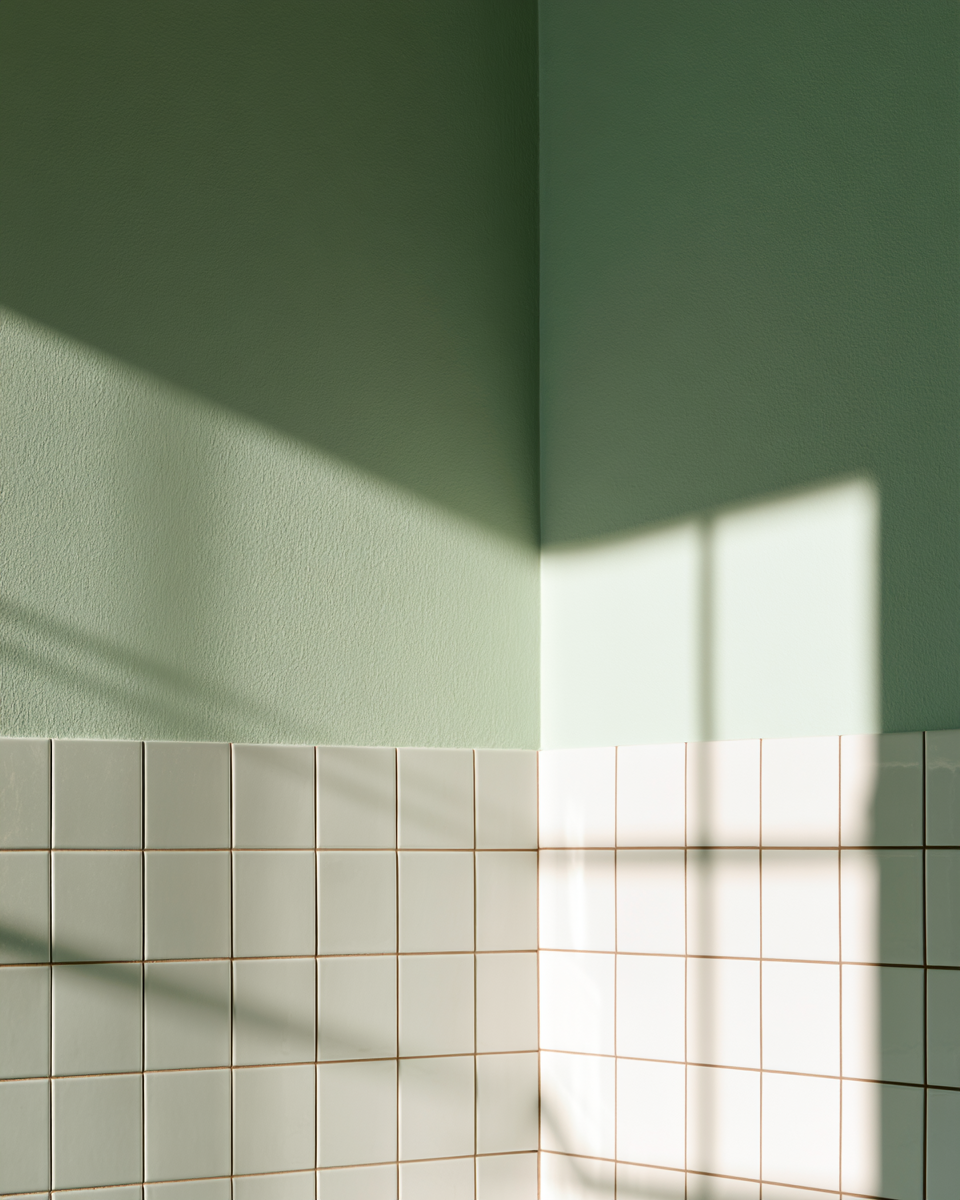
Kitchens, Bathrooms, and Laundry Rooms
Moisture changes everything. Kitchens steam up when you cook. Bathrooms trap humidity after every shower. Laundry rooms collect damp air on the regular.
Standard wall paint in these spaces will hold up for a while, but over time, moisture causes it to soften, and that soft film becomes a breeding ground for mildew. The fix isn't more scrubbing. It's starting with the right product.
Cloverdale's Kitchen & Bath formula is built specifically for these conditions. It's a 100% acrylic latex finish formulated for maximum durability in moisture-prone spaces, with superior stain resistance, washability, and adhesion that holds even when walls are exposed to regular humidity. It's available in pearl (a soft sheen that reads slightly warmer) and semi-gloss (a more noticeable shine that makes cleaning even easier).
One quick tip for bathrooms: run your exhaust fan during painting and keep it running for a few hours after. Good ventilation helps the paint dry properly and keeps moisture from interfering with the curing process.
Hallways, Entryways, and High-Traffic Corridors
These spaces take a beating. Hands brush the walls constantly. Bags, strollers, and furniture leave marks. If you paint a hallway the same way you'd paint a bedroom, you'll be repainting it within a couple of years.
The key here is choosing a higher sheen. Sheen refers to how much light a dried paint surface reflects. Flatter finishes look beautiful but are harder to clean without scuffing the film. A satin or semi-gloss finish in a high-traffic area gives you a more durable surface that's easy to wipe down.
Ecologic in a semi-gloss finish works well in hallways and entryways for the same reasons it works in living areas: durable, washable, low VOC, and self-priming on most existing surfaces. In a busy household or commercial office corridor, the extra durability from a higher-gloss finish is worth it.
For an office setting specifically, Ecologic holds up just as well, and the low-odour formula means you can get a repaint done over a weekend without the space being unusable on Monday.

Exterior Siding, Stucco, and Trim
Painting the outside of a home or building is a different undertaking entirely. Exterior paint has to survive rain, UV exposure, temperature swings, and in many parts of Canada, everything from summer heat to below-freezing winters. A paint that's not formulated for those conditions won't just look bad in a few years. It will fail.
Guardian is Cloverdale's ultra-premium exterior acrylic finish, and it's built for exactly these demands. It uses X-Link Technology, a cross-linking chemistry that creates a harder, tighter film as it cures, giving it exceptional resistance to dirt, fading, and moisture. One of the features that genuinely matters for Canadian painting seasons: Guardian has early water resistance and low-temperature capability, which means you can apply it in cooler conditions than most exterior paints allow. That extends the window of time each year when exterior work is actually possible.
Guardian comes in flat, satin, and semi-gloss finishes. For siding and walls, a flat or satin finish is typical. For trim (the decorative boards around windows, doors, and corners), a semi-gloss gives a cleaner look and holds up to more contact.
Before any exterior paint goes on, the surface needs to be clean, dry, and in good condition. That means washing off dirt, mould, and old chalky paint; scraping anything that's peeling; filling cracks or gaps with appropriate caulking; and letting everything dry completely. On bare wood, a primer is essential before the topcoat.
One rule of thumb most experienced painters follow: do not paint in direct afternoon sun or in temperatures below 10°C. The surface heats up or stays too cold, and the paint won't cure properly.
Decks, Fences, and Exterior Wood Structures
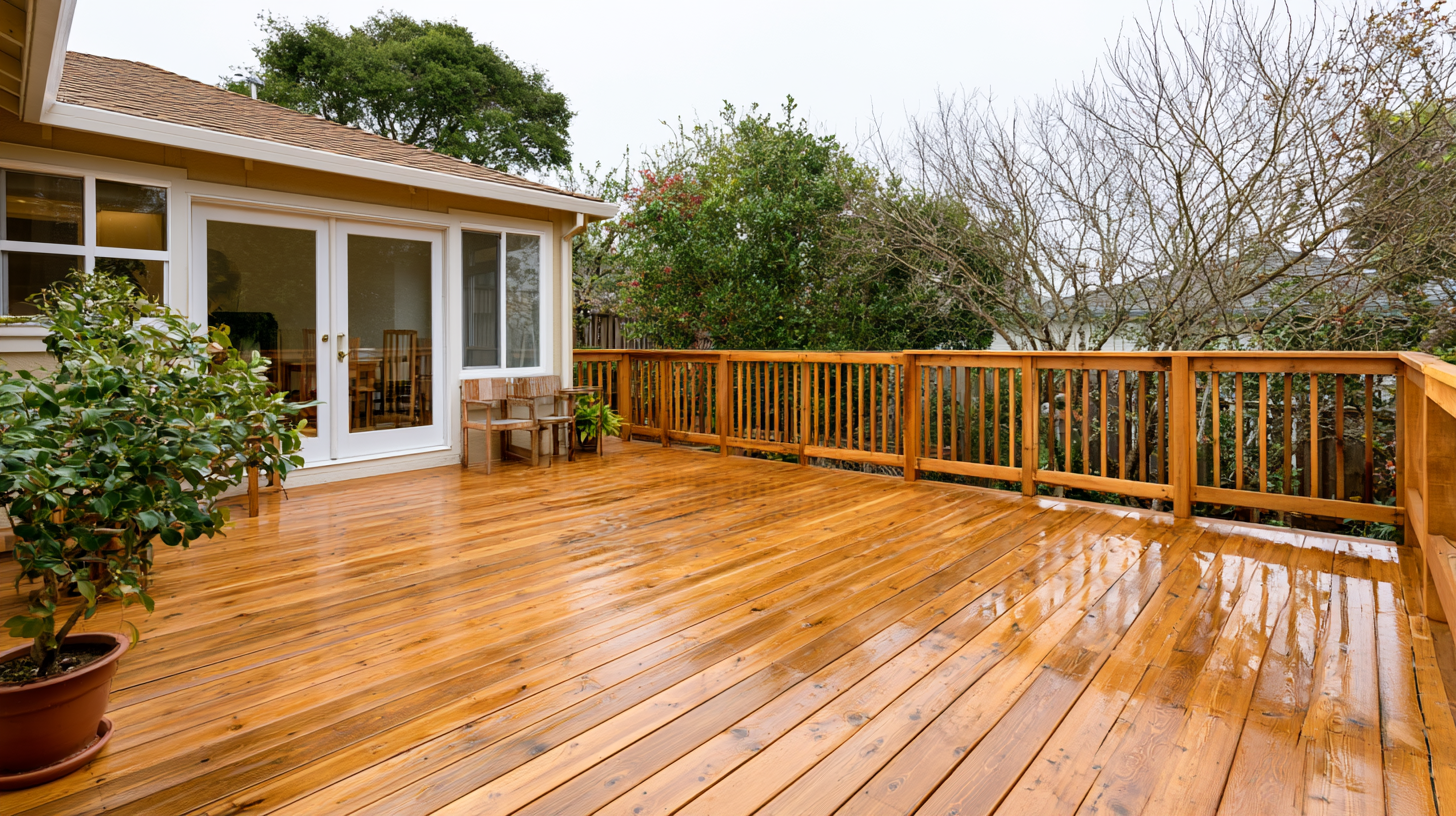
Wood outdoors is one of the trickiest surfaces to maintain. It expands and contracts with temperature and moisture. Foot traffic and UV exposure wear it down fast. And when a regular paint fails on a deck, it doesn't just fade. It peels in sheets, which is a much bigger fix than starting with the right product in the first place.
This is exactly why decks and fences often do better with a solid stain than with conventional paint. A solid stain (sometimes called a solid hide stain) is a thick, opaque coating that penetrates the wood fibres rather than sitting on top of them as a surface film. Because it works with the wood's natural movement instead of against it, it's far less likely to crack and peel over time.
SharkSkin Deck & Siding Stain is Cloverdale's purpose-built product for these surfaces. It uses hybrid waterborne alkyd technology, which combines the durability and penetrating quality of traditional oil-based stains with the easier application and cleanup of a water-based product. It's available in two formats: Solid Hide for an opaque, paint-like finish (good for older decks or fences that need full coverage), and Translucent for surfaces where you want to preserve the natural wood grain while still adding colour and protection.
SharkSkin is designed to hold up on both horizontal surfaces (decks, pool surrounds, stairs) and vertical ones (fencing, siding, pergola posts), which makes it a versatile choice for any wood project on your property.
Prep for a deck matters a lot. Old, failing stain should be stripped before recoating. A clean, dry surface in good condition is what allows SharkSkin to bond properly and last through multiple seasons. The SharkSkin line includes a dedicated Wood Cleaner and Brightener, which removes old discolouration and opens up the wood grain before staining.
The Prep Work That Applies Everywhere
Whatever you're painting, three things apply across the board.
- Clean the surface first. Dust, grease, dirt, and old chalk prevent paint from bonding. Interior walls need a wipe-down. Exterior surfaces need a proper wash and time to dry fully.
- Fill and repair before you paint. Nail holes, cracks, and dents in walls or trim should be filled, sanded smooth, and wiped clean before any paint goes on. Painting over damage doesn't hide it. It highlights it.
- Use a primer when the situation calls for it. New or bare surfaces, heavily patched areas, stained spots, and dramatic colour changes (going from a dark colour to a very light one, or the other way around) all benefit from primer. It gives the finish coat the best possible surface to bond to.
How Much Paint Do I Need?
A rough rule: one litre of paint covers about 10 to 12 square metres with a single coat. Most projects need two coats.
To estimate your wall area, multiply the width of each wall by its height, then add the results. Subtract a couple of square metres for each large window or door if you want to be precise.
Textured or very porous surfaces (stucco, rough wood, concrete block) will absorb more paint, reducing the coverage estimate. When in doubt, buy a little extra. A half-used can is far less frustrating than running short mid-wall.
Start with a Conversation, Not a Can
The most confident DIYers don't have all the answers before they start. They ask the right questions early: What surface? What space? What finish? How much?
Bring those questions to your nearest Cloverdale Paint store. Bring a photo if you can. The team there can help you match the product to the space, pick the right sheen for the right room, and put together a supply list that covers everything you need before day one.
Start right, and the project takes care of itself.